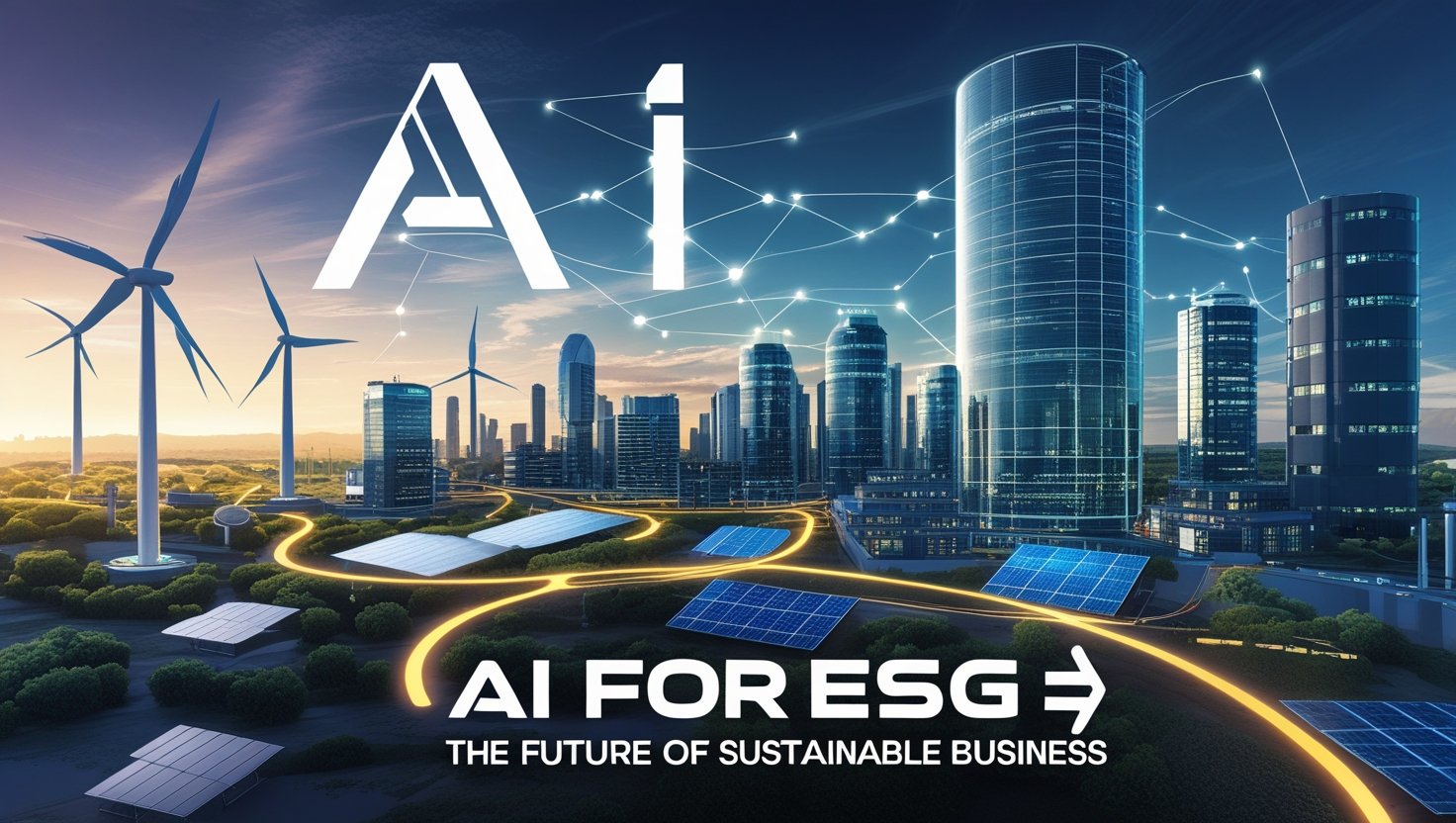
I used to sit in sustainability meetings feeling like a fraud. We’d have lofty goals about reducing our carbon footprint and promoting diversity, but our reports were built on guesswork, surveys, and a whole lot of hope. We were trying to measure something incredibly complex with blunt, outdated tools. It was like trying to forecast the weather by sticking your hand out the window. Then, a data scientist colleague offhandedly mentioned something about machine learning algorithms she was using to predict equipment failure. A lightbulb went off. What if we could apply that same predictive power not to machines, but to our corporate social responsibility efforts? That question started a journey that changed everything I thought I knew about sustainable business. This isn’t about robots taking over, it’s about finally having the tools to turn our best intentions into measurable, meaningful action.
The Whole ESG Mess:
Okay, so first off, let’s be clear about why this is so challenging. ESG isn’t just about checking a box. It’s a crazy mix of everything.
- Environmental: Carbon stuff, water, waste… You know the drill.
- Social: Employee happiness, customer privacy, community impact. Super fuzzy.
- Governance: Board stuff, ethics, transparency.
Trying to track all this with spreadsheets and yearly surveys? Forget it. It’s slow, it’s wrong half the time, and you’re always looking at the past. Investors now want real-time data. Regulators want deep dives. This old-school way is a fast track to getting left behind. That’s the real problem AI for ESG is solving. It’s not about adding more work, it’s about working smarter.
How AI Actually Handles the “E”
People hear AI and environment, and only think of carbon. But it’s way bigger than that.
Think about a big farm. Instead of guessing when to water crops, AI can look at soil sensors, weather forecasts, and satellite pics to tell you the exact amount of water needed. Saves a ton of water and money. That’s a real sustainable business move.
Or take supply chains. Ever wonder if the wood for your product came from a protected forest? AI can analyze satellite images to spot deforestation around supplier locations. It can track a shipping container’s fuel use across its entire journey and find the most efficient route. This is the power of AI for ESG. It finds the hidden connections.
The “S” in Social is a People Problem. Can AI Really Get People?
This is the tricky part. Social stuff feels human. Can a machine understand it? Actually, yes, but in a different way.
AI can’t feel empathy, but it can listen at a scale we can’t. It can analyze thousands of employee surveys, Glassdoor reviews, and even internal communication (anonymously, of course!) to gauge the real company culture. It can spot patterns that point to burnout, like changes in email sending times or project activity. This isn’t about spying, it’s about stopping problems before people even quit.
For customer social stuff, AI can scan social media to see how people really feel about your brand’s ethics. Are people complaining about your packaging waste? Is there a positive buzz about your new diversity hire? This feedback is instant and raw. It’s pure gold for any company that wants to stay relevant.
The Boring Bit That AI Makes Interesting:
Governance is all about rules and risks. It’s boring until something goes wrong. AI for ESG is like a super-powered watchdog here.
It can constantly monitor thousands of transactions for anything that looks fishy, flagging potential fraud or corruption way faster than any human auditor. It can read through every new global regulation and alert you to the ones that actually affect your business. It can even analyze your board’s diversity and meeting patterns to suggest improvements. This is about building a business that’s not just successful, but also strong and ethical from the inside out.
The Bottom Line:
Look, at the end of the day, this isn’t just a “feel good” story. It’s a business survival story. Companies that ignore ESG will get hit from all sides, higher costs, angry investors, and customers who leave. Using AI for ESG is the smart way to future-proof your company. It turns a massive challenge into your biggest advantage. You stop just reporting on the world you impact and start actively building a better one. And honestly, that’s the only kind of business that will thrive in the coming decades.
FAQs:
1. What is AI for ESG?
AI for ESG uses artificial intelligence to collect, analyze, and manage Environmental, Social, and Governance data more effectively than traditional methods.
2. Can small businesses use AI for ESG?
Yes, many scalable SaaS tools are making AI-driven ESG insights affordable for smaller businesses now.
3. Is AI for ESG only for reporting?
No, its main power is in providing actionable insights for better decision making, not just generating reports.
4. Does using AI for ESG guarantee a better rating?
While it doesn’t guarantee it, it dramatically improves data accuracy and strategy, which typically leads to a better rating.
5. What’s the biggest challenge in adopting AI for ESG?
The initial integration with existing data systems and ensuring the quality of the data being fed to the AI.
6. Is human judgment still needed with AI for ESG?
Absolutely, AI provides the data and insights, but human experience and ethics are crucial for making the final decisions.